Computer Vision for Aquatic Biodiversity Exploratories
Implementing imaging systems for automated long-term experiments on aquatic evolution.
A sporadically updated project log.
Intro
Biodiversity is declining and freshwater lakes are not exempt from this global trend. Modeling and understanding these huge systems is nontrivial. Classical lab setups, e.g. chemostats, do not provide sufficient volume and operational lifetime to observe the intricate interactions and derive robust underlying interaction patterns between species and environmental conditions.
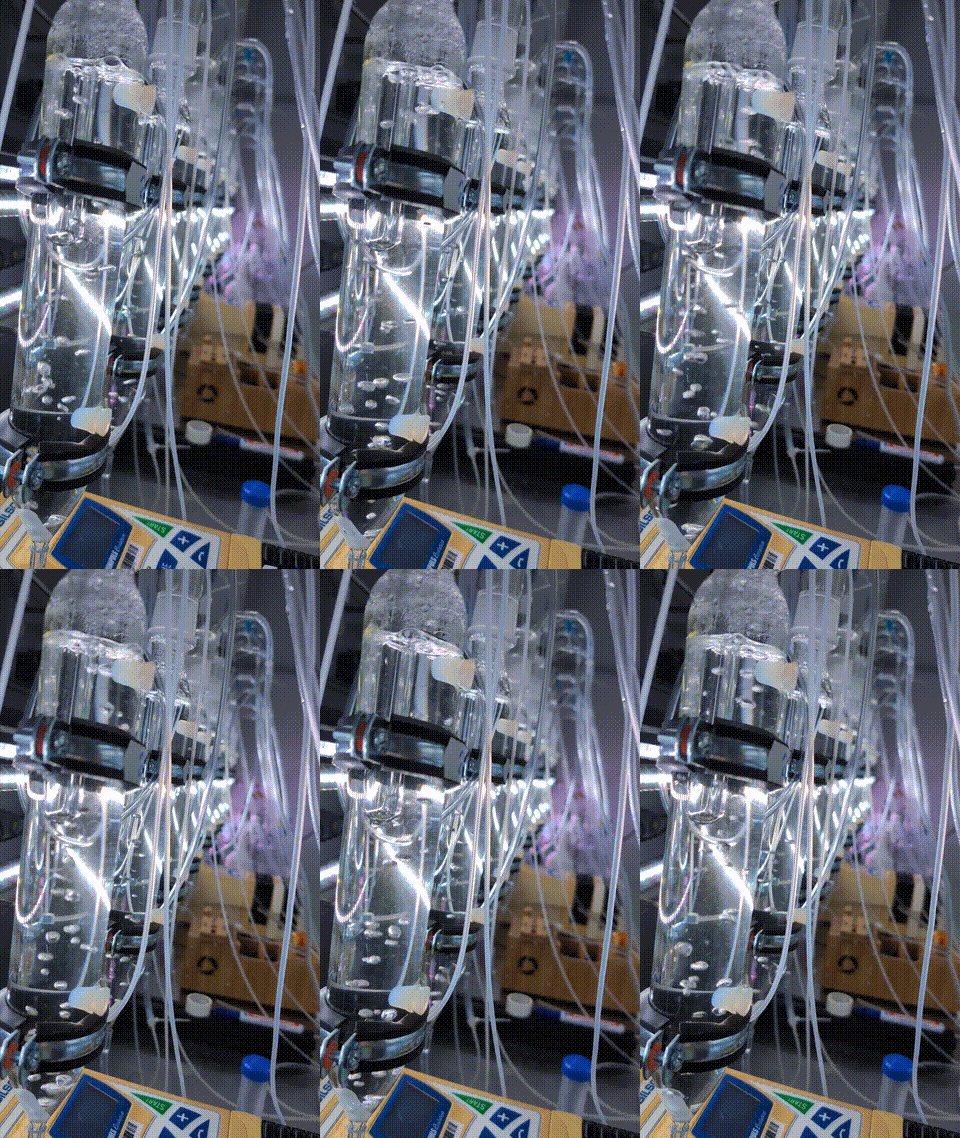
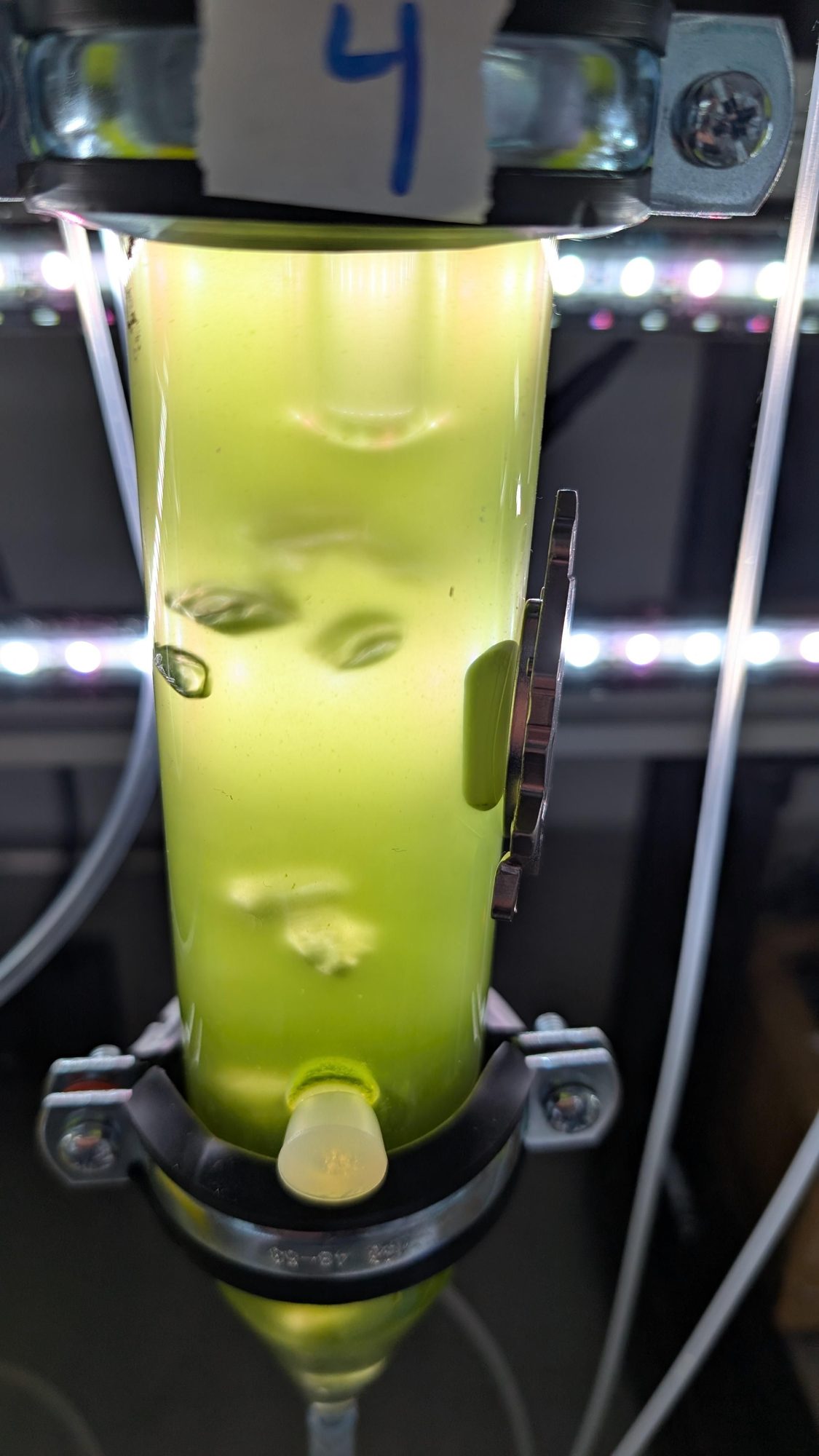
Mesocosm Deployments
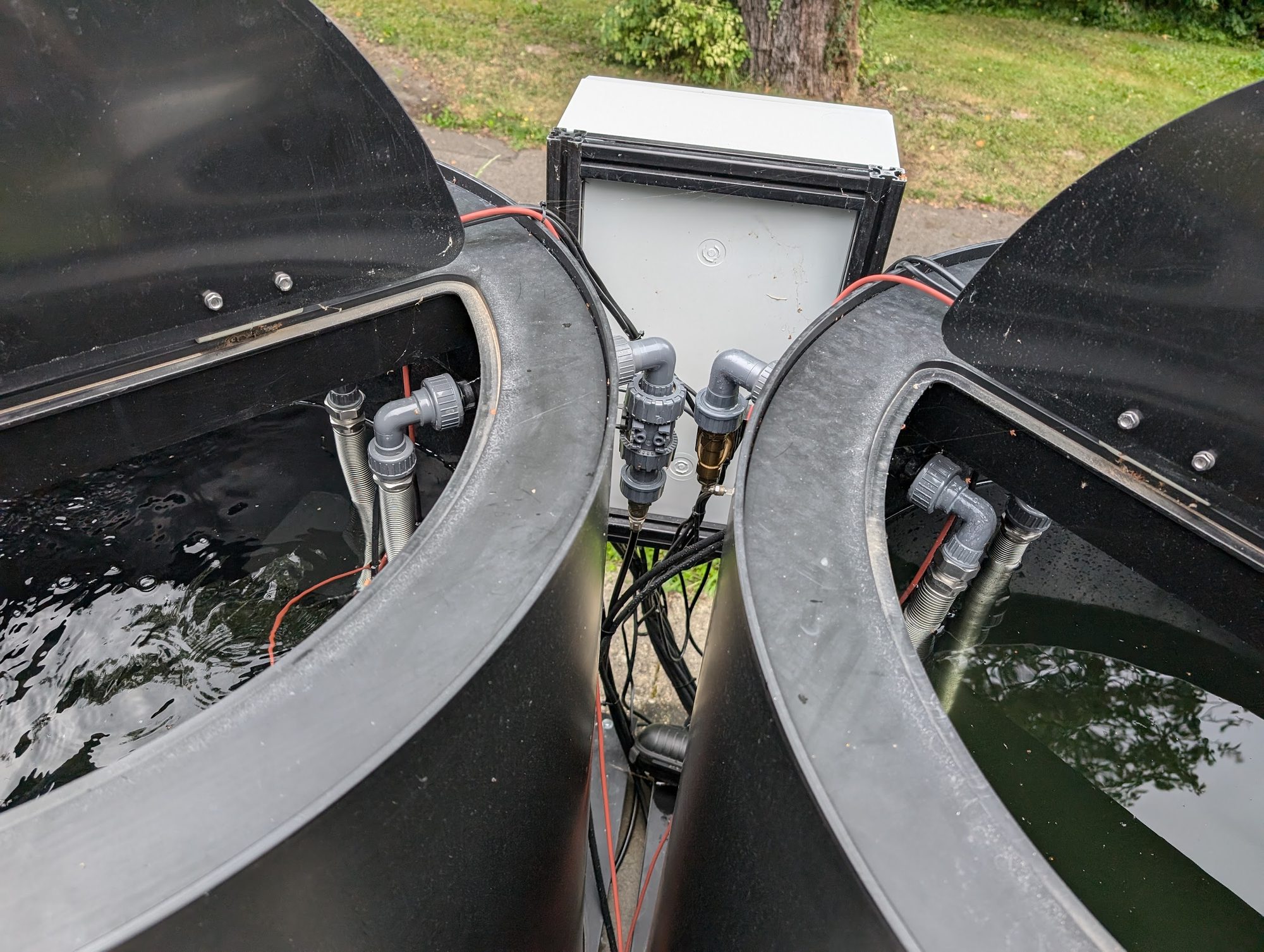
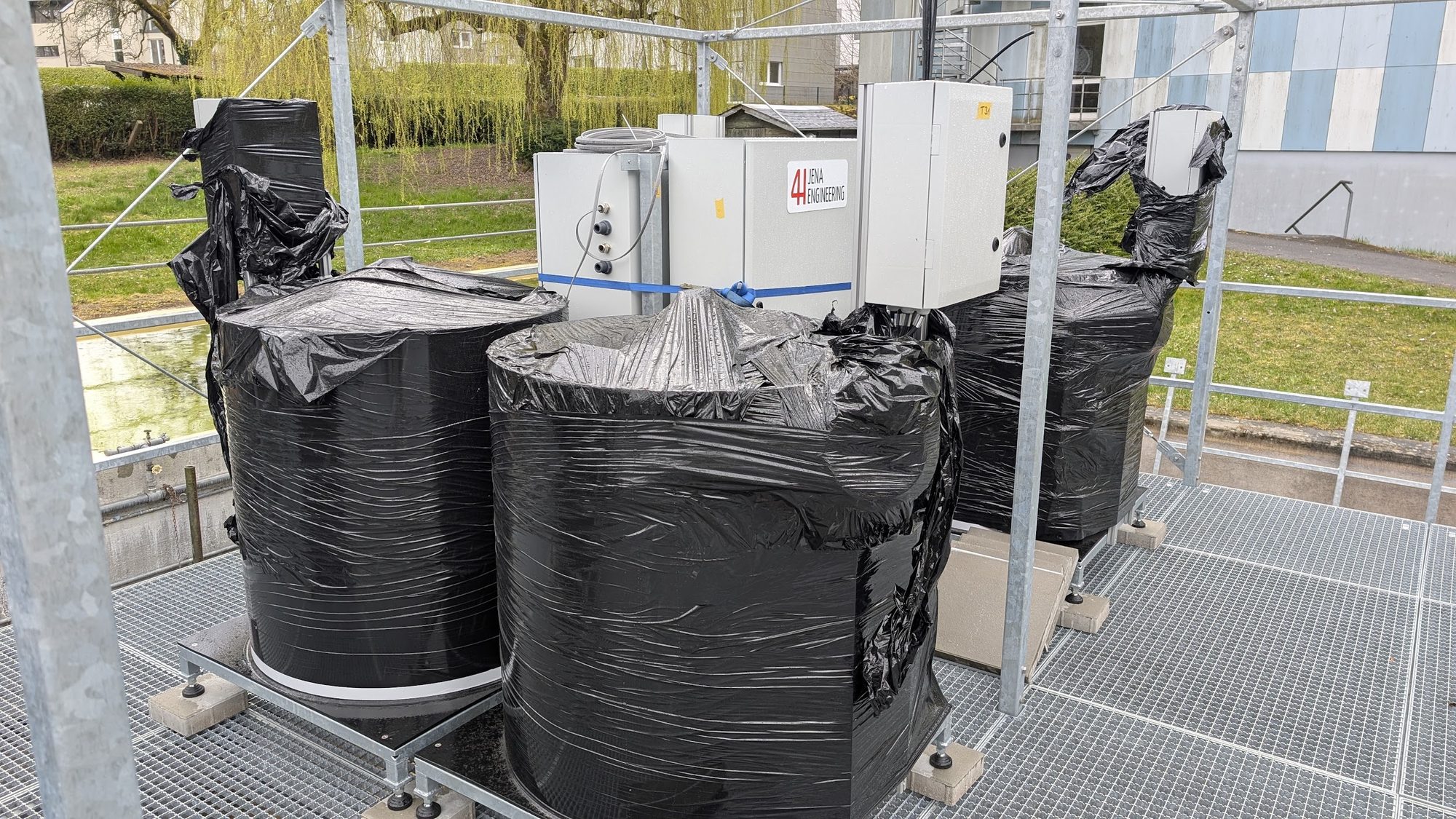
With project ABOVE, we aim for (mostly) automated long-term experiments on the evolution of large-scale aquatic model systems. Multiple sets of mesocosms, which are 600 liter tanks, are set up in groups of four. These share a multiparameter probe for chemical properties as well as flow cytometers for plankton imaging.
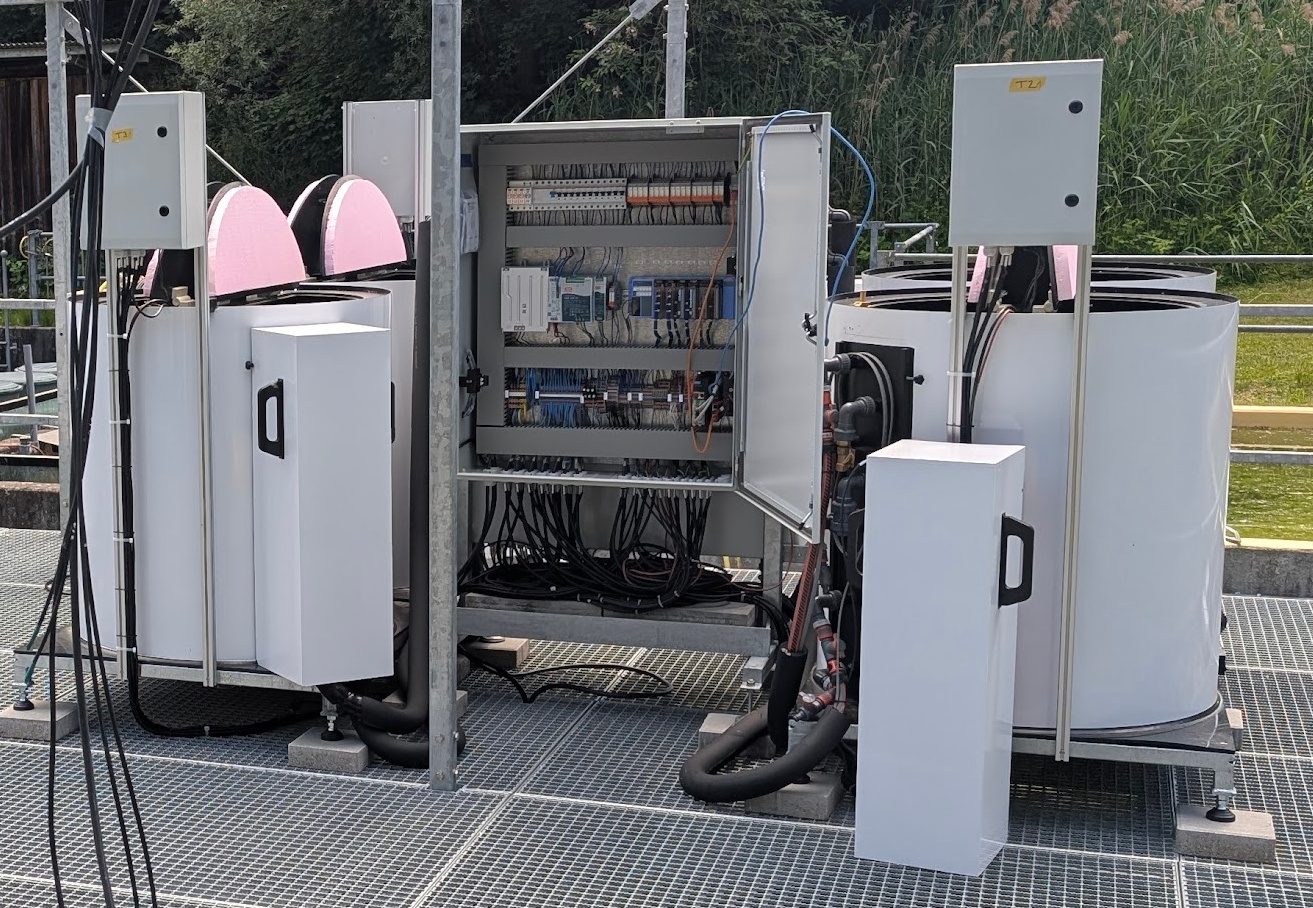
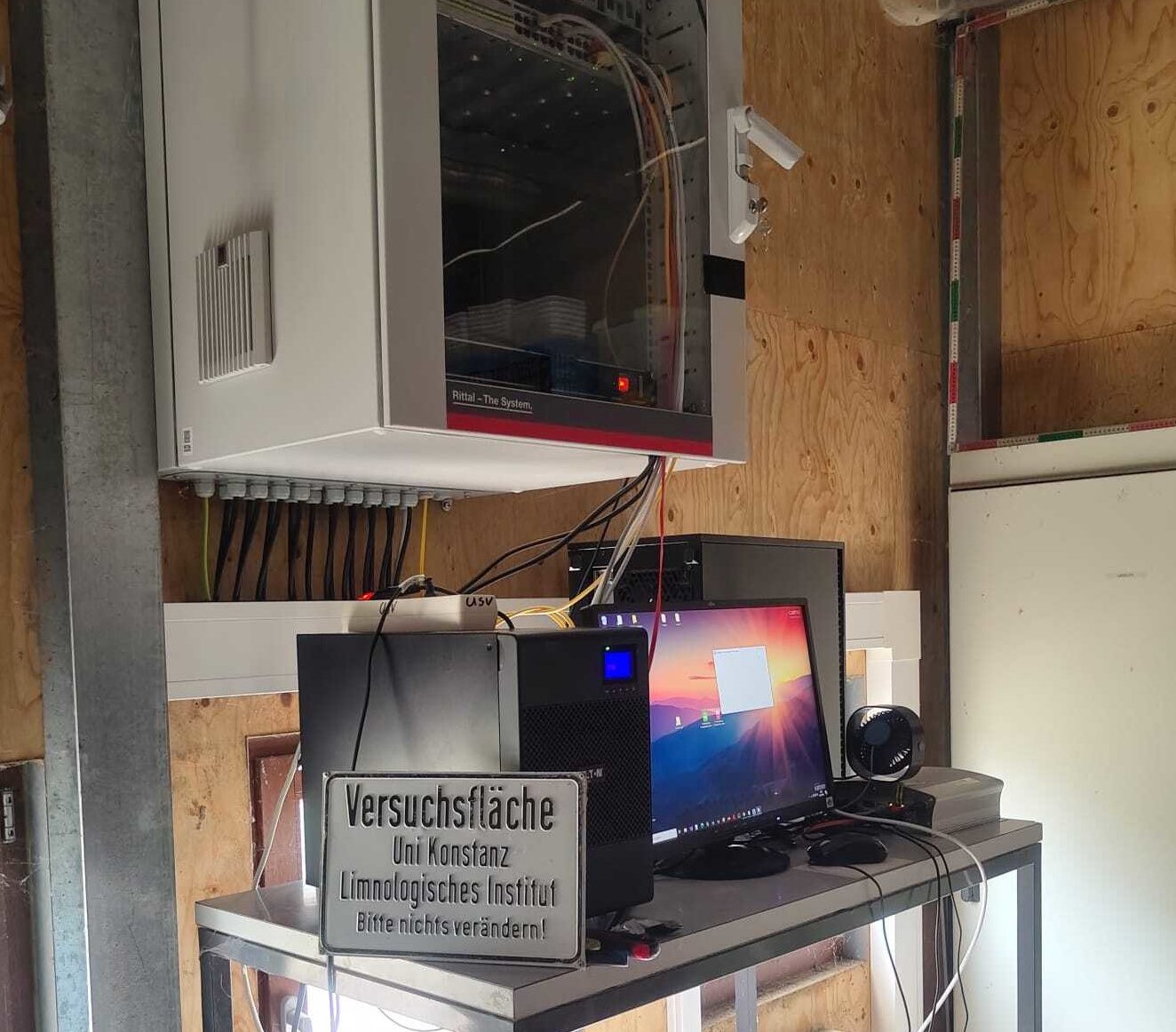
The depicted white tanks are already an improved, winter-hardened version. The tanks are not hermetically sealed, but allow for a reasonable environmental exchange (e.g. regarding oxygen) similar to that of a real lake. Internal flow pumps prevent the water from turning stale, a refill mechanism compensates for sample extraction and the temperatures are controlled within a viable range. Lights allow controlling the algal energy intake. The tanks themselves, the fluid handling and the control systems were implemented and manufactured by 4H Jena Engineering.
Analysis Automation
With intended operational times in the ballpark of decades and many replicates, experiments of this extent would constitute a significant expenditure of human labor. This is where the automation aspect comes into play: flow cytometry instead of manual sampling and traditional microscopy, continuous 24/7 monitoring of relevant parameters and fusion of comprehensive time-series data is expected to generate insights into the evolution of aquatic systems.
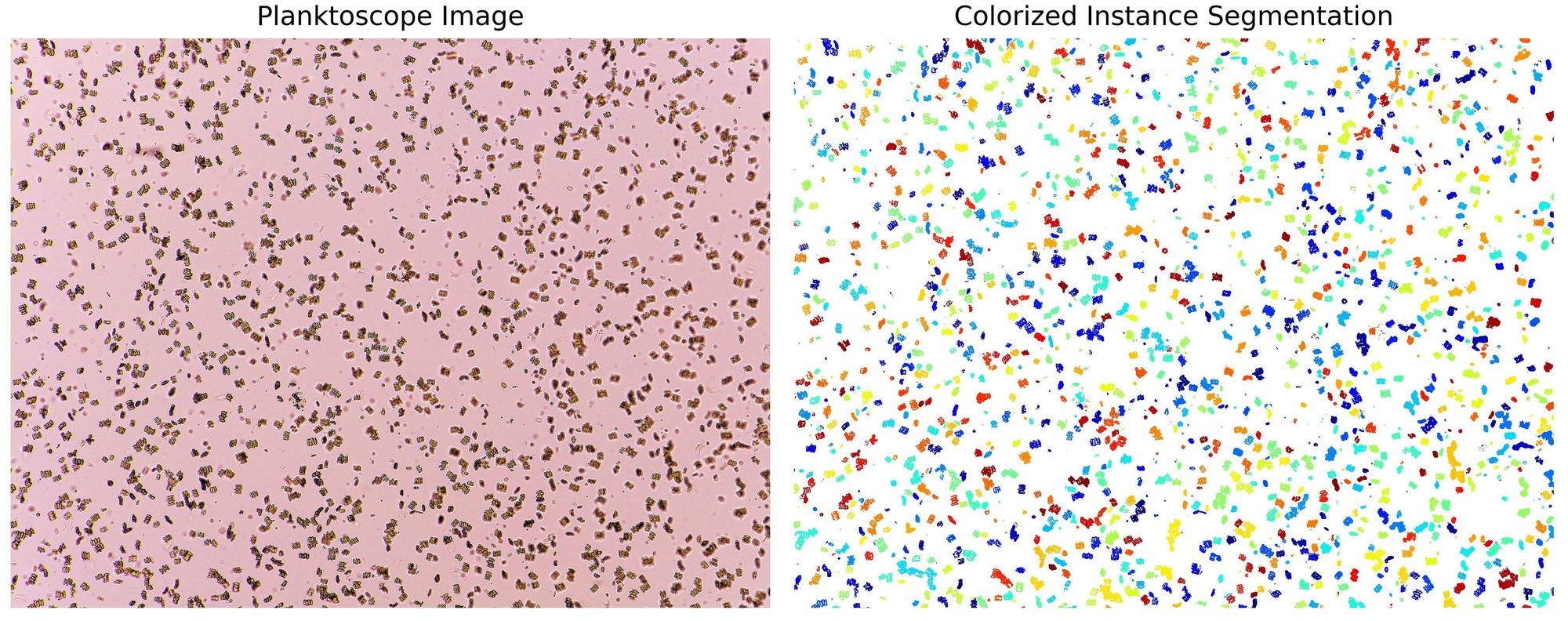
To this extent, we have provisioned several hundred terabytes of storage to keep raw data and derived descriptors for the foreseeable future. Results will follow. Probably as a paper, not so much a blog post.